

Tracy Explores the Seychelles Island You’ve Probably Never Heard Of…
It might surprise you to know that the Seychelles were completely uninhabited until the late 18th century. With no indigenous population, everyone here has roots from somewhere else Africa, Europe, Asia, and that blend of cultures has created something truly special. Seychellois Creole (Seselwa), a soft, French-based language, is spoken alongside English and French, and this diversity shines through in the islands’ music, dance, food, and everyday warmth. But what really sets Seychelles apart isn’t just the vibrant culture or the picture postcard-perfect beaches, it’s how fiercely this place protects its wild beauty. Nearly half of the entire land area is preserved as national parks or nature reserves, and unlike in other destinations where nature is often curated for aesthetics, here it's left untouched, sea grass is left to grow, coral is allowed to thrive, and wildlife leads the way. You’ll find giant tortoises, rare birds, pristine reefs, and forests you can hike through without fear, no snakes, no poisonous insects, just pure, unspoiled nature. It’s one of the few places where wild still feels safe. Peaceful, stable, and deeply respectful of its land, Seychelles is more than just beautiful, it’s grounded, and it’s real.
A Remote Island That Gets It Right
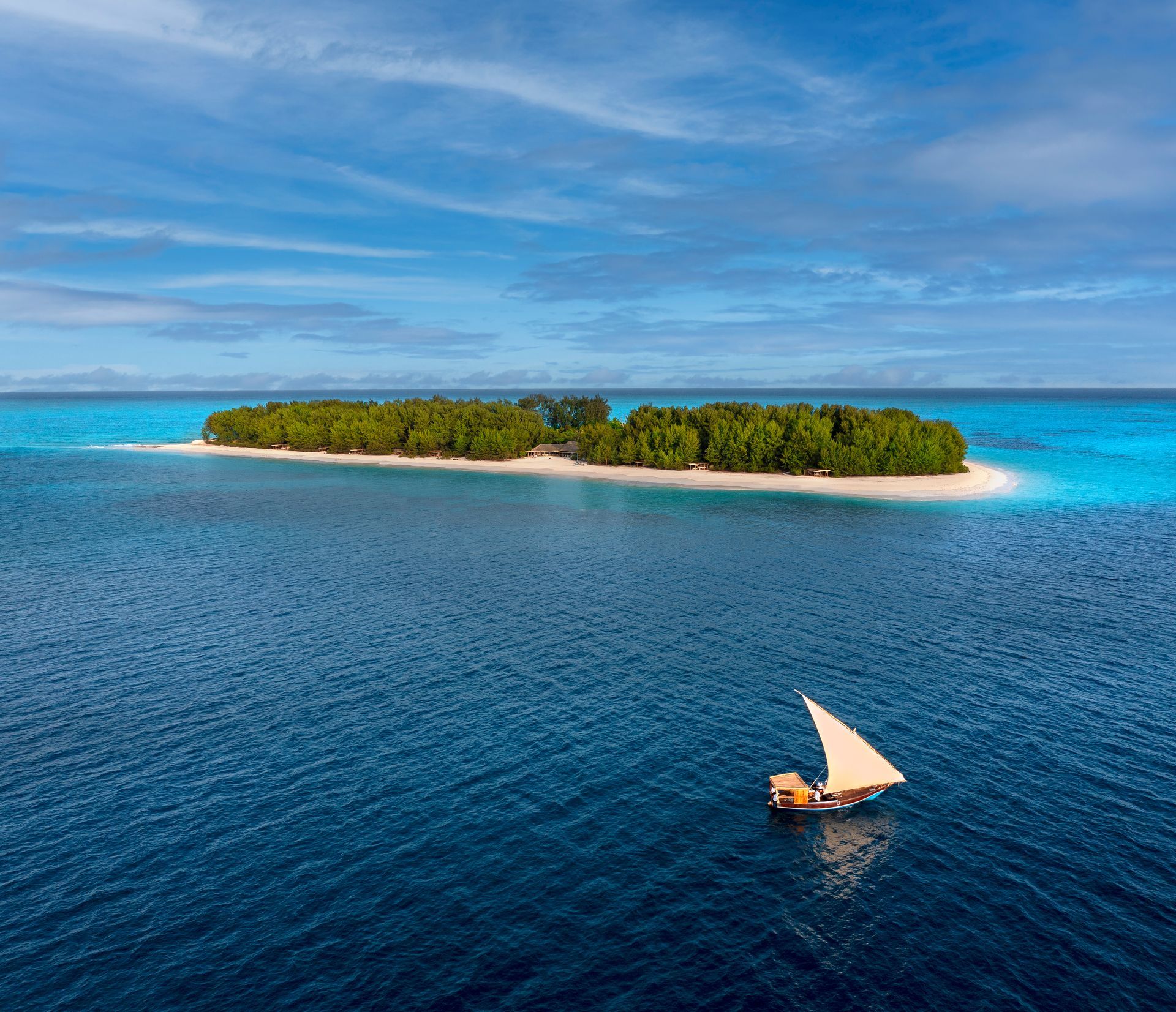
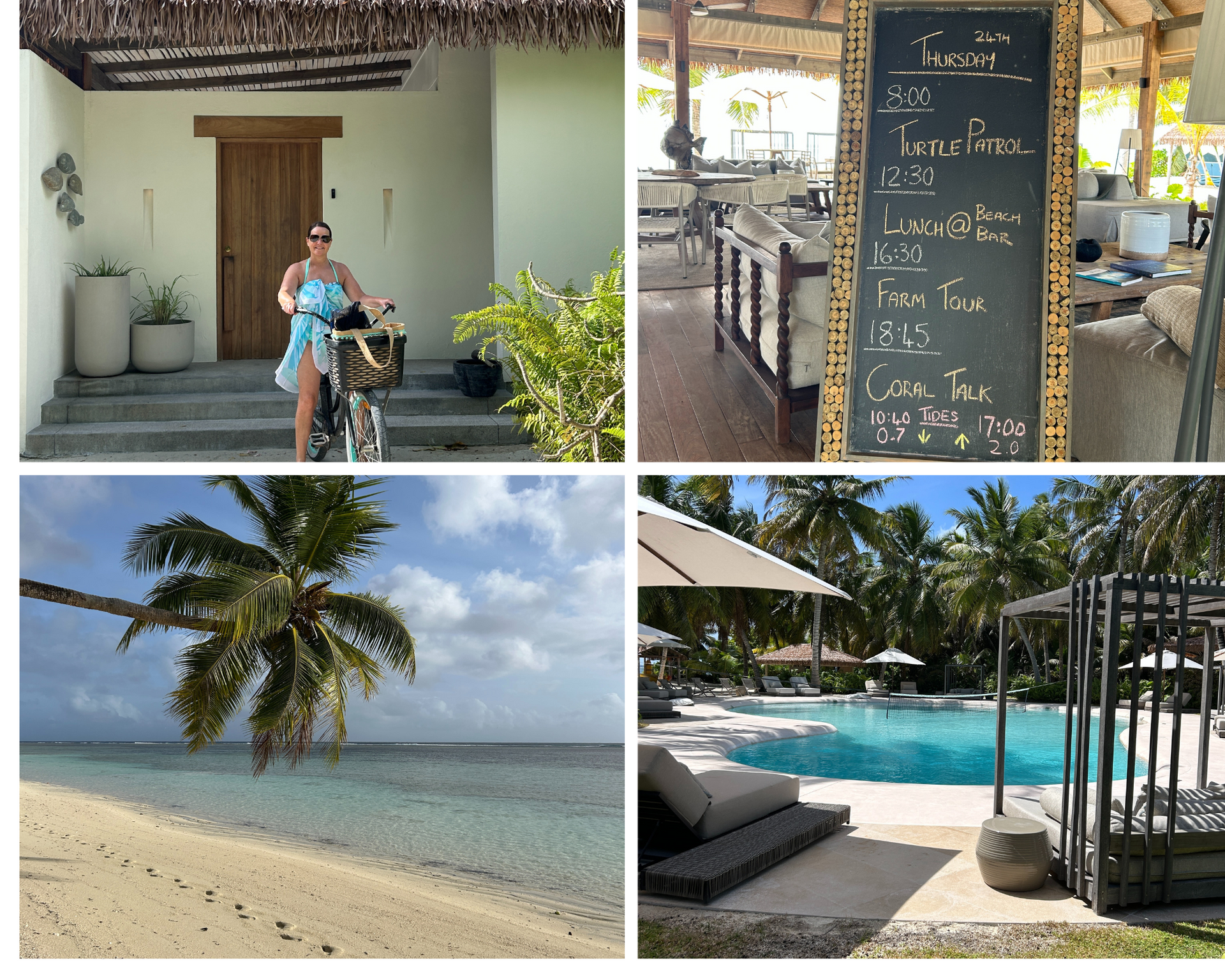
While many travellers stick to the main island of Mahé or the better-known resorts, Seychelles is actually made up of 115 islands, each offering something different. If you really want to get under the skin of this place, island-hopping is the way to go. There's a wide choice of accommodation across the islands, from polished resorts to laid-back barefoot luxury. But for me, the real standout on this trip was Alphonse Island.
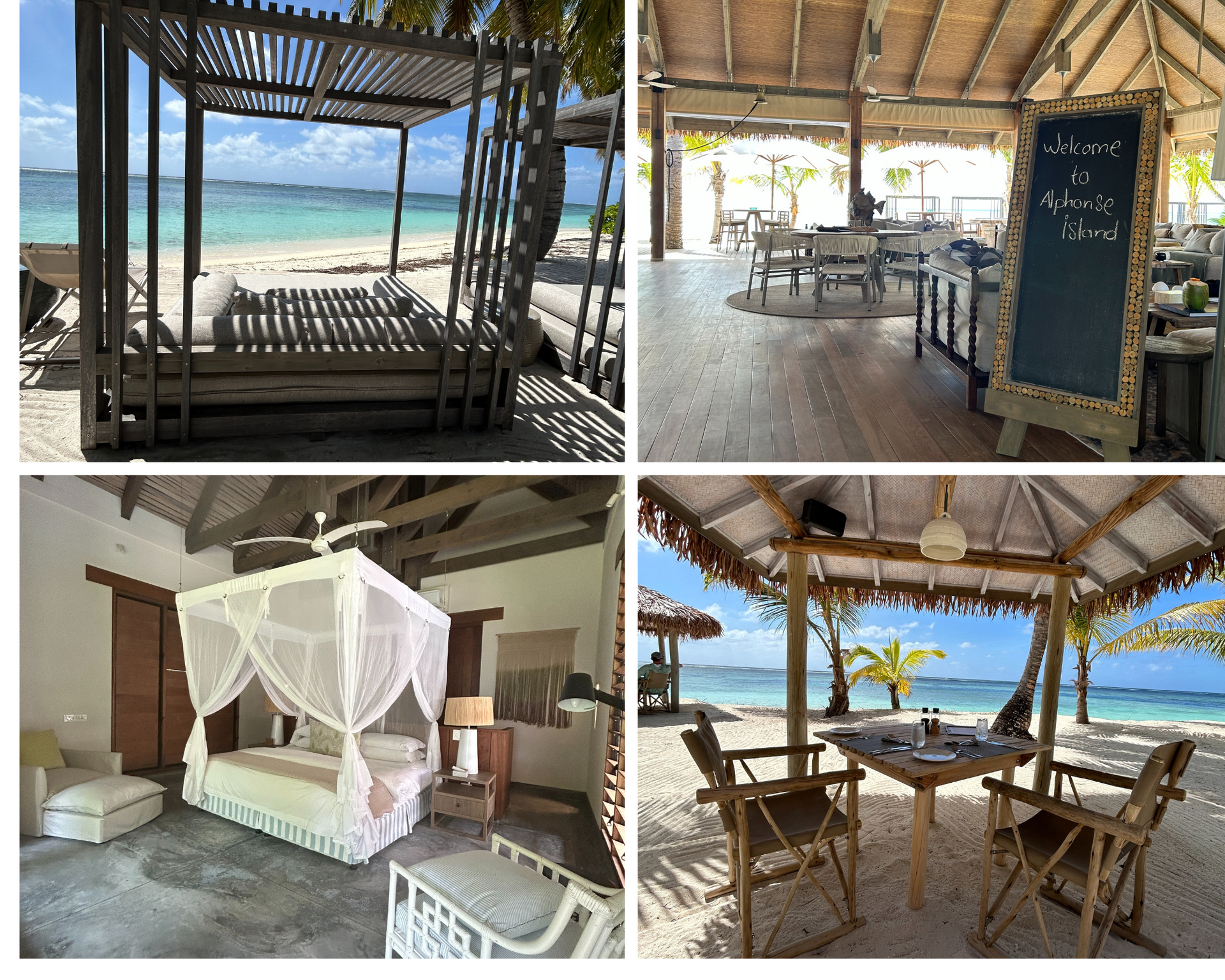
Alphonse isn’t widely known, and that’s exactly what makes it so special. It’s not about glitz or glossy perfection, it’s about feeling something unique. I spent 7 nights there, and it was unlike anywhere I’ve ever stayed. The moment you arrive by small jet, with views over turquoise atolls and endless reef, the energy changes. Shoes become optional (you’ll dine in the sand most nights), and the pace slows. This is barefoot luxury in the best possible way.
Accommodation is made up of beach bungalows and villas, each with bikes so you can cycle around the island (buggies are available too if you’d rather not).
Where Nature Leads
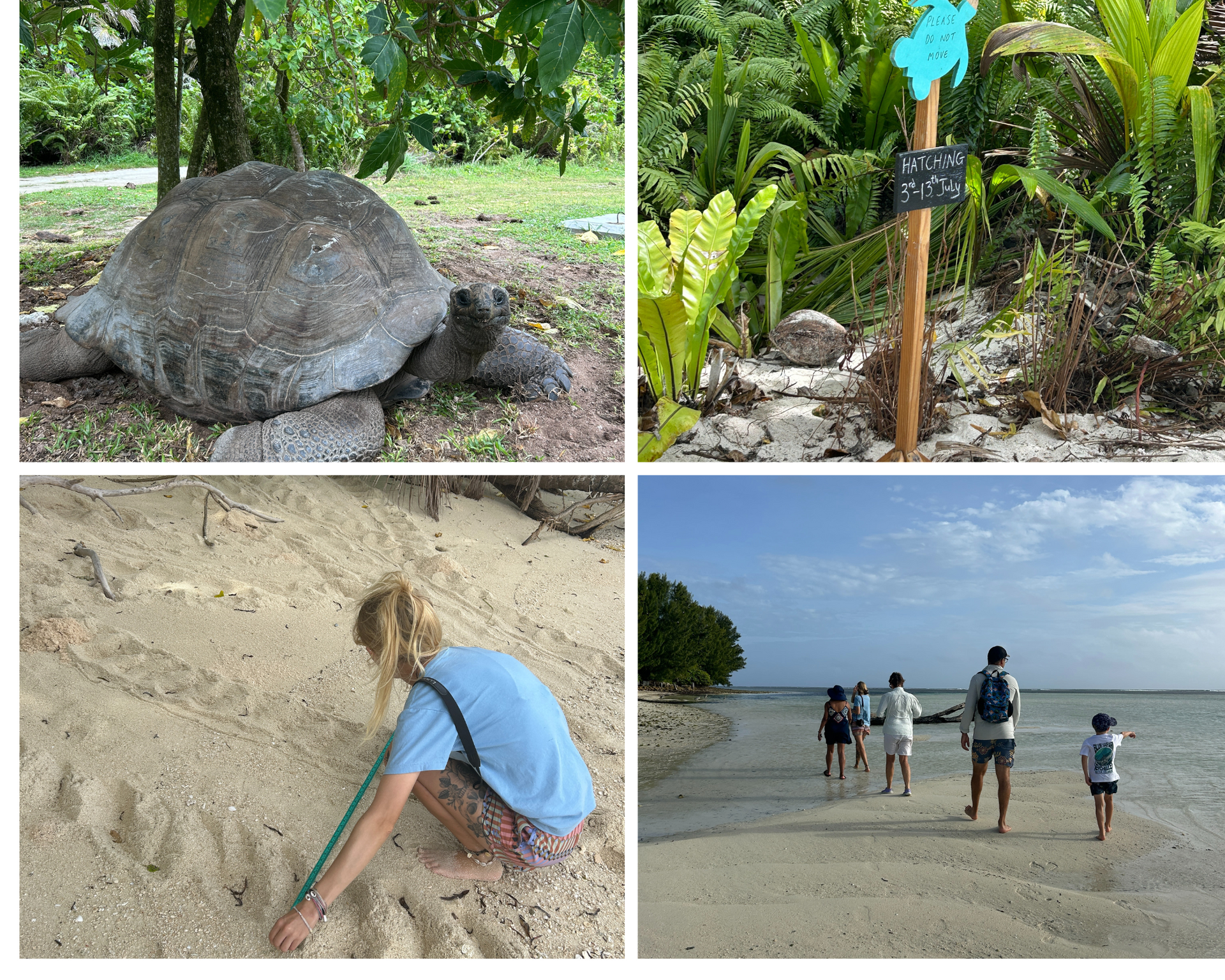
Alphonse is shared with the Island Conservation Society, and that relationship shapes everything. From beach clean-ups to monitoring turtle nests and bird populations, conservation is woven into island life. The team is deeply committed, and guests are invited to learn, take part, and genuinely connect with the land and sea. One of my highlights? Meeting George, the island’s oldest resident - an enormous and friendly tortoise age unsure but definitely over 90!
You’ll find a stunning mix of wildlife here: turtles bobbing just offshore (you’ll likely see them while eating lunch), giant tortoises roaming free, reef sharks and manta rays spotted while snorkelling, and birdlife everywhere. There are no dangerous animals, just wild, thriving nature that feels intimate and safe. It’s the kind of place where you leave more connected to the world, not just more rested.
From Farm to Fork, Literally
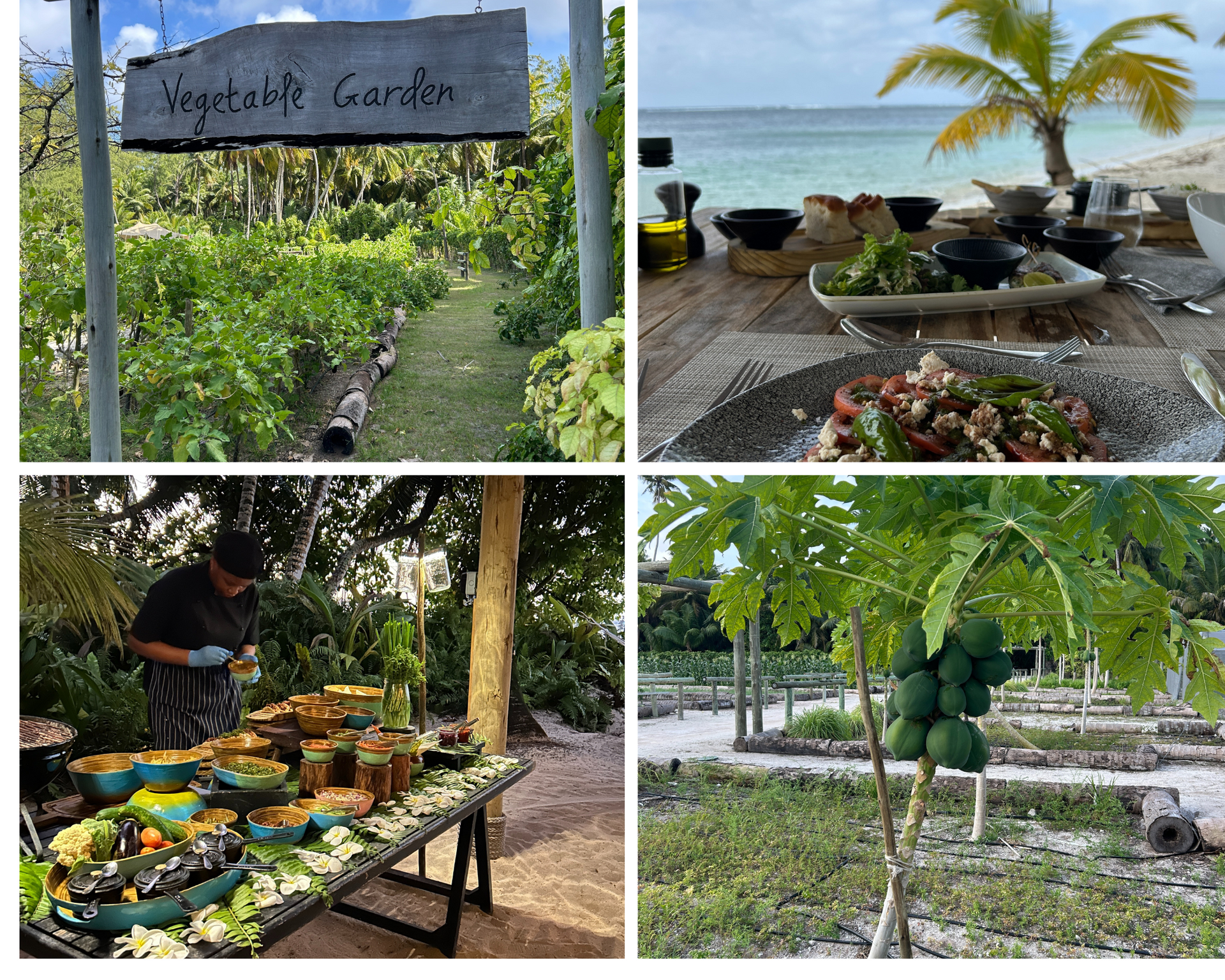
The island also has its own farm, and it’s one of the most impressive I’ve seen. Luke, who runs it, arrived three years ago and has transformed it - 80% of the food now comes from the island itself. They even make their own coconut flour and have beehives for honey. He works closely with the chef to design seasonal, thoughtful menus, not just for guests but also to reflect the staff’s diverse backgrounds. The result? Food that’s fresh, flavourful, and full of love. It was easily one of the best food experiences I’ve had in a hotel environment.
Adventure, or Absolute Stillness, you Choose
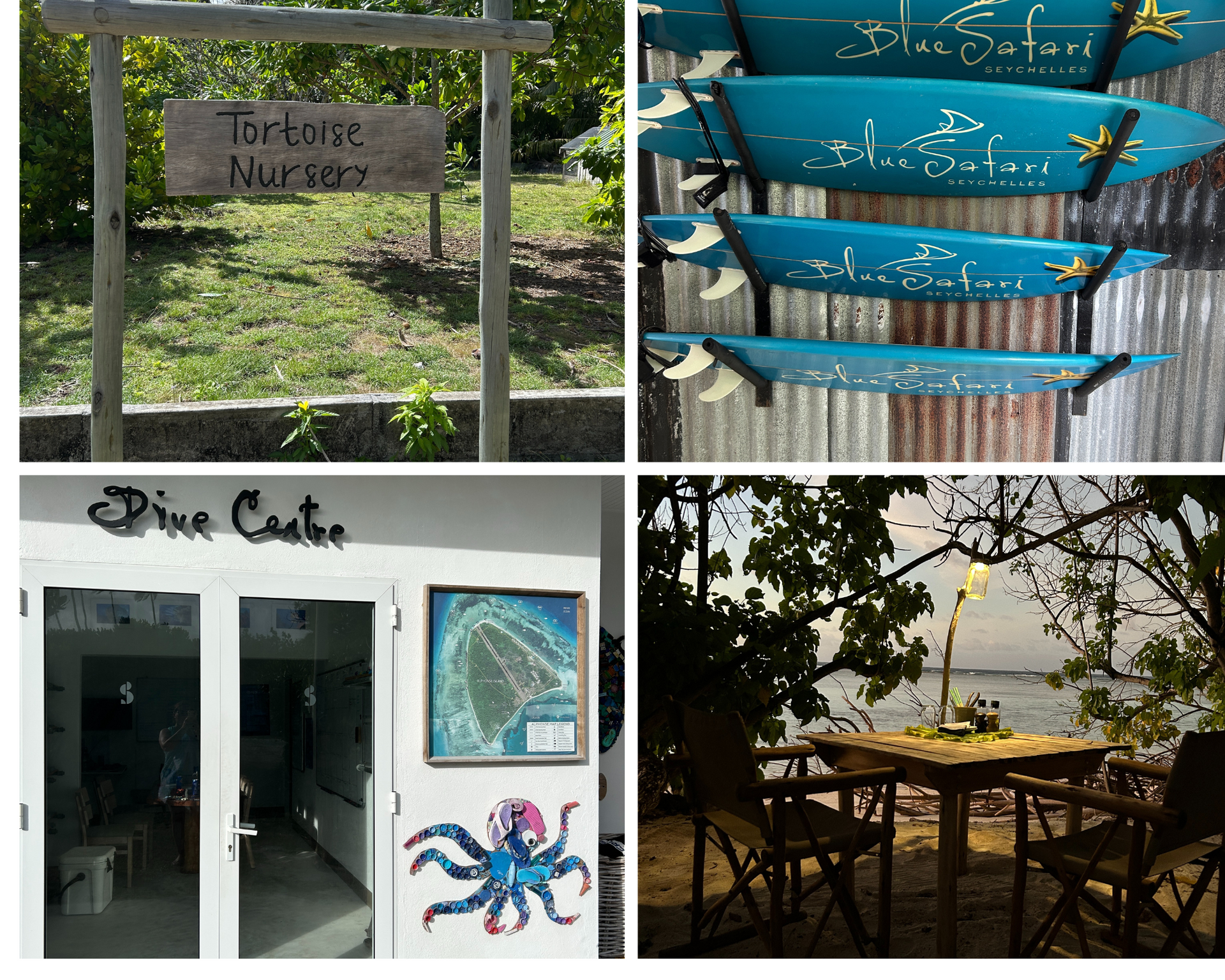
Days on Alphonse can be as full or as quiet as you like. You might start with a morning snorkel alongside turtles, sharks, or join the conservation team for turtle patrol, tracking nests and watching hatchlings find the sea. There are manta ray experiences, beach clean-ups that make a real impact, and even the chance to snorkel with sailfish, something I’d never even heard of before visiting.
Out on the water, there’s world-class diving, kayaking, paddleboarding, and surfing when the swell allows. Alphonse is also renowned for its fishing, serious anglers travel across the globe to experience it. If you prefer to stay on land, there’s tennis, table tennis, or the simple joy of cycling the island’s 6km loop.
And then there’s the birdlife, everywhere you look, there’s something to spot. Red-footed and white-footed boobies, frigatebirds soaring high above the water, and herons standing still as statues in the shallows. Whether you’re a seasoned birdwatcher or just quietly curious, it’s impossible not to notice how alive the skies are here.
When the sun sets, the experience doesn’t end. With no light pollution at all, stargazing becomes a nightly ritual, one evening we lay on the airstrip, staring up into a sky so full of stars it felt almost unreal.
You’ll Leave With Stories and Friends
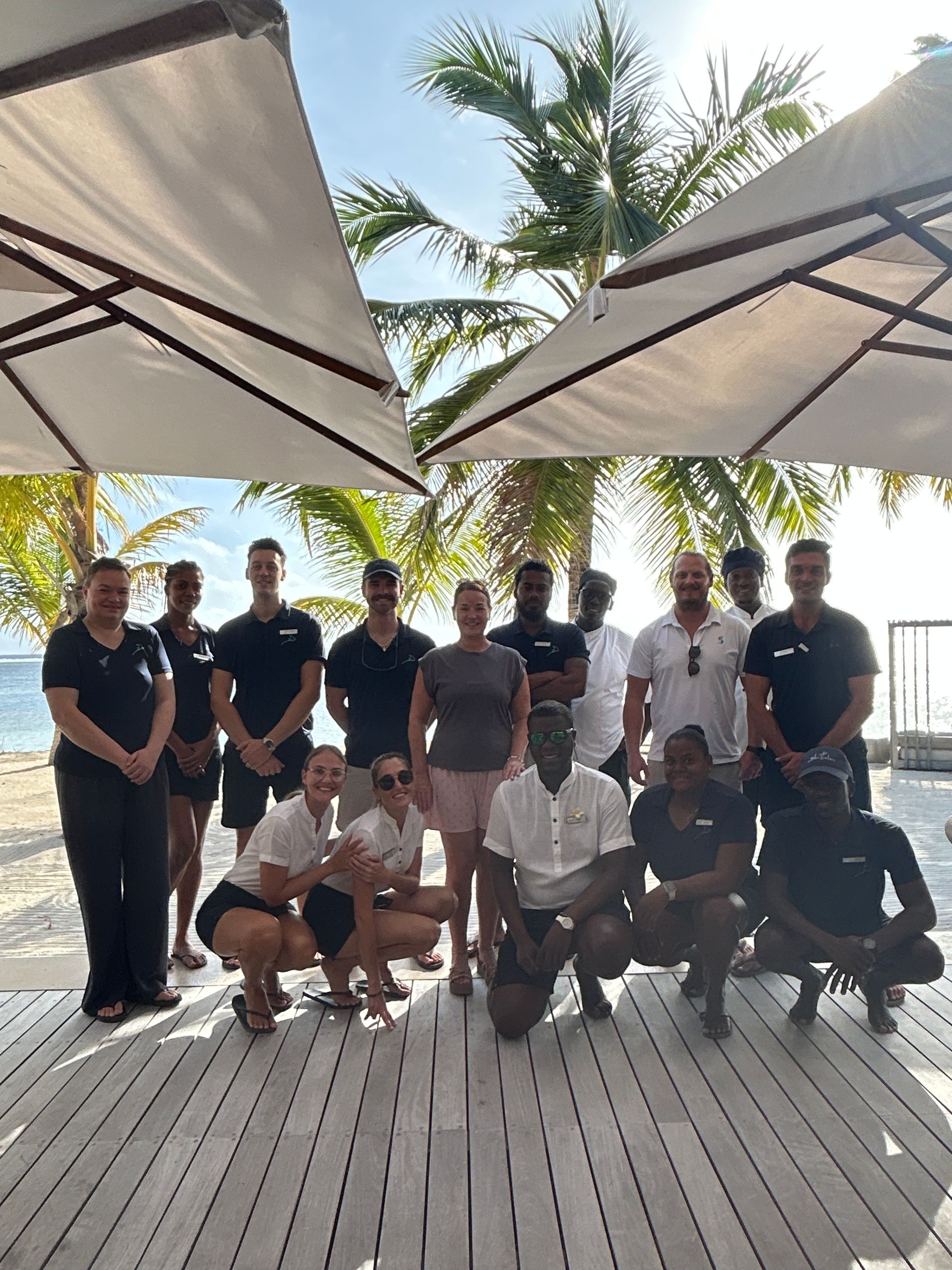
Beyond the food and the conservation, what truly stays with you is the people. The team isn’t hidden away, they’re part of the island. You’re made to feel like family, and it’s not surprising to meet returning guests on their 7th or 8th visit. There’s a sincerity to the hospitality that’s hard to describe but impossible to forget.
Whether you’re swimming with turtles just off the beach, star-gazing on the runway under skies untouched by light pollution, or simply cycling past palm trees with the breeze on your skin, Alphonse invites you to live slowly, simply, and in harmony with nature.
I’d love to share more if you’re curious, reply to this email or click below so we can start planning your own island-hopping adventure.
Tracy x